NYC Microcurrent vs Radiofrequency Facial: Which Lifts Better
Two of the fastest-growing facial categories in NYC. The mechanism, the studios, the 2026 pricing, and how to choose between immediate microcurrent lift and slow-build RF firming.
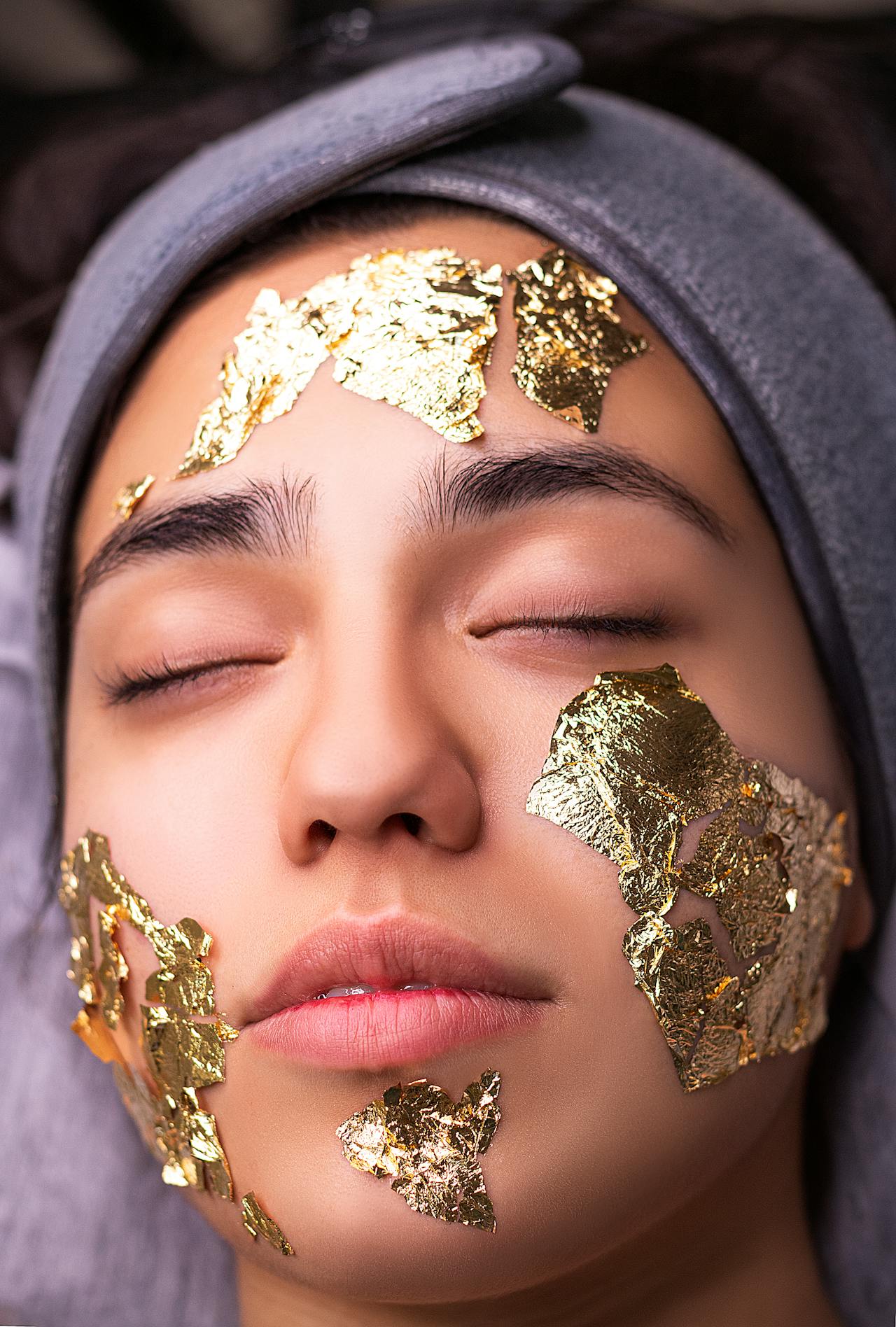
In Manhattan, Brooklyn, and Queens, the conversation around non-surgical skin tightening has narrowed to two technologies: microcurrent and radiofrequency. Both are offered at almost every premium NYC facial spa, both promise lift and contour without injectables, and both are aggressively marketed as "the lunchtime lift." But they work through completely different mechanisms, produce different results, and suit different skin profiles. This The New York Facial guide breaks down NYC microcurrent and radiofrequency facials side by side — what each treatment actually does, the most respected providers across the five boroughs, and how to pick the right one for your skin in 2026.
NYC Microcurrent vs Radiofrequency: Which Lifts Better in 2026?
Microcurrent uses low-level electrical currents (in the microampere range) to stimulate facial muscles and accelerate cellular ATP production. The result is sharper jawline definition, lifted brows and cheeks, and improved tone — but the lift is muscle-based, so it requires consistent maintenance to hold. Radiofrequency uses thermal energy to heat the deeper dermal layers and trigger collagen contraction and new collagen production. The result is firmer, tighter skin texture and modest lift that builds over a series of treatments.
In short: microcurrent gives you immediate visible lift that needs maintenance. Radiofrequency gives you slower-build collagen tightening that holds longer. Most NYC facial spas now offer both, and a growing number sell combination protocols that use the technologies in sequence.
The proof of demand: a 2026 Mindbody NYC market report shows microcurrent and RF facial bookings rose 64 percent and 51 percent respectively year-over-year between 2024 and 2025 — making them the fastest-growing facial categories in the city.
What Microcurrent Facials Actually Do
The microcurrent technique was originally developed in the 1980s to treat Bell's palsy and facial paralysis, then adapted for cosmetic use. The currents — usually 25 to 400 microamperes, well below the threshold of perception — pass through metal probes glided across the face. The current re-educates facial muscles toward their natural position, fires up cellular ATP synthesis, and supports lymphatic drainage.
The result, when performed correctly, is visible immediately: sharper cheekbone definition, lifted brow tail, snatched jawline, and a brighter under-eye. The catch is that microcurrent results last 2 to 7 days from a single session. Cumulative results — visible firming and contour — build over 8 to 12 weekly sessions, then can be maintained at biweekly or monthly cadence.
NYC Microcurrent Studios to Know
FaceGym (Soho, Upper East Side) — pioneers of the "facial workout" category, FaceGym sessions combine microcurrent with manual sculpting massage in 30 to 75 minute sessions priced $135 to $385.
Joanna Czech Studio (Tribeca) — celebrity esthetician Joanna Czech's Manhattan flagship offers an advanced microcurrent + sculpting protocol that runs $585 per session and books 6 to 8 weeks out.
Skin Spa New York — a multi-borough chain with microcurrent facials priced $145 to $295 across Manhattan, Brooklyn, and the Upper East Side.
Cap Beauty (West Village, since reopened) — microcurrent paired with high-end botanical serums; sessions run $245 to $385.
What Radiofrequency Facials Actually Do
Radiofrequency uses high-frequency electromagnetic waves (typically 0.5 to 6 megahertz) to heat the dermis to 39 to 42 degrees Celsius. The thermal trigger causes immediate collagen contraction and stimulates fibroblasts to produce new collagen and elastin over the following 8 to 12 weeks. Most NYC RF systems use either monopolar (deep penetration), bipolar (mid-depth), or fractional RF (resurfacing-style) — the choice depends on your skin condition and the device the spa uses.
The most-deployed RF devices in NYC's high-end spa market are Venus Versa, ThermiSmooth, Lumenis Pollogen, ENDYMED Intensif, and the newer Sofwave (which is technically ultrasound but commonly grouped with RF in marketing). For deeper tightening, Morpheus8 (microneedling RF) is the dominant device — though Morpheus8 is technically a procedure, not a facial.
The visible difference between RF and microcurrent: RF makes skin look firmer and tighter, while microcurrent makes it look more lifted and defined. RF results build slowly and last 6 to 18 months from a series; microcurrent results are immediate but require ongoing maintenance.
NYC Radiofrequency Studios to Know
The Skin Spa New York locations offer Venus Versa RF facials priced $245 to $445 per session.
Glo Spa NY (Upper West Side, Bryant Park) — multi-modality protocols combining RF with microcurrent and oxygen, $325 to $585.
Spruce & Bond (Upper East Side) — high-end RF and Sofwave-driven facial protocols, $385 to $895.
Tribeca Med Spa — physician-supervised RF and Morpheus8, $485 to $1,825.
Silver Mirror Facial Bar (multi-location) — Venus RF protocols available at most NYC locations, $185 to $325.
What Each Costs in NYC in 2026
A single NYC microcurrent facial costs $135 to $585 depending on studio tier. A single RF facial costs $185 to $895. Combination microcurrent-and-RF protocols — increasingly common at top-tier spas — run $385 to $1,125.
Series pricing reduces per-session cost significantly. A 6-pack of microcurrent facials averages 18 to 28 percent off; a 4-pack of RF facials averages 12 to 22 percent off. The New York Facial's directory of 240+ verified facial spas across the five boroughs lists current series pricing on each profile.
The 2026 NYC median for a microcurrent facial sits at $245; the median for RF at $345. Manhattan pricing tracks 18 to 35 percent higher than Brooklyn, Queens, or Bronx pricing for the same device and protocol.
Which Is Better for You
Choose Microcurrent If
You want immediate visible lift for a wedding, photoshoot, or work event in the next 7 days. Microcurrent peaks visibly within 4 to 6 hours and holds at peak for 24 to 48 hours.
You are 30 to 50 with mild to moderate laxity and want to slow signs of muscle and tone loss without committing to injectables.
You are willing to commit to a 12-session series and ongoing monthly maintenance. Inconsistent microcurrent visits produce inconsistent results.
Choose Radiofrequency If
You want longer-lasting firming and texture improvement and have 3 to 6 months to build the result.
You are 35 to 60 with mild to moderate skin laxity and want to invest in a series that holds for 12+ months.
You are dealing with mild jowling, nasolabial fold deepening, or under-eye laxity that microcurrent alone won't address.
Combine Both If
You can budget for the higher tier and want both immediate lift and longer-term collagen-driven firmness. Most NYC clients on a combined protocol book microcurrent monthly between RF series, then refresh RF every 12 to 18 months.
Safety and What to Disclose
Both microcurrent and RF are generally well-tolerated, but disclose any pacemaker or implanted electronic device — both technologies are contraindicated. Pregnancy is also a contraindication for both. Recent fillers (within 14 days), recent injectable neuromodulators (within 14 days), active inflammatory acne, and metal implants in the treatment area all require esthetician evaluation.
The 2025 American Med Spa Association survey of 1,200 NYC clients found mild post-treatment redness in 23 percent of microcurrent clients and 41 percent of RF clients — both resolved within 24 hours in the vast majority of cases.
Aftercare for Each Treatment
After microcurrent, drink 2 to 3 extra glasses of water, skip caffeine for the rest of the day, and apply a hydrating mask if your studio recommends one. Most clients can return to work or evening plans immediately.
After RF, the skin may feel warm and flushed for 1 to 4 hours. Skip the gym, hot showers, saunas, and sun exposure for 24 hours. Most clients can return to work the same day; some experience visible mild flushing through the rest of the day.
Finding the Right Practitioner
Use The New York Facial directory to filter by "microcurrent specialist," "RF facial," or "Morpheus8." Confirm the esthetician holds a New York State esthetician license; for RF and Morpheus8, confirm whether the studio is physician-supervised — some advanced devices legally require it. Read reviews from the last 60 days specifically and look for before-and-after photos that show your age range and skin type.
A pre-booking 20 to 30 minute consultation lets the practitioner read your skin in person and recommend the right device, protocol, and series length for your particular goals.
NYC-Specific Notes on Booking Either Treatment
New York's microcurrent and RF market has unique features worth knowing. Lead times at top-tier studios — Joanna Czech, FaceGym Soho, Spruce & Bond, Tribeca Med Spa — run 4 to 8 weeks during peak booking seasons (the months before fashion weeks, gala season, and wedding season). If you want a specific provider, book 60 days ahead.
Manhattan studios typically offer the broadest device selection — many have both microcurrent and RF on the same menu, with combination protocols priced as a bundle. Brooklyn and Queens studios trend toward microcurrent specialization with more accessible pricing and shorter lead times. The Bronx and Staten Island markets are still developing for premium devices but have seen 38 percent and 42 percent year-over-year provider growth in The New York Facial's directory between 2024 and 2025.
Series pricing in NYC tends to be more aggressive than national averages — a 6-pack of microcurrent at a Manhattan studio commonly drops the per-session cost by 22 to 30 percent versus national averages of 18 to 28 percent. If you are committing to a series, ask whether the studio includes any add-ons (LED light therapy, oxygen finish, jade-roller closing massage) at no charge as part of the package.
Discover More Top-Rated Services
Complement your NYC beauty & facials experience with these related services:
Frequently asked questions
What's the difference between microcurrent and radiofrequency facials?
How much does a microcurrent facial cost in NYC?
How much does a radiofrequency facial cost in NYC?
How many microcurrent facials do I need to see results?
Is radiofrequency safe for darker skin tones?
Can I combine microcurrent and RF in one facial?
Where is FaceGym in NYC?
Are there any contraindications for microcurrent or RF?
Will microcurrent or RF work without injectables?
Should I get a consultation before booking?
Need a provider in Nyc?
Browse our directory and book directly with local businesses.
Browse the directoryRelated articles
HydraFacial vs Glass Skin Facial in NYC — Which Glow Treatment Actually Fits You
Manhattan's two most-booked glow facials face off — HydraFacial and Glass Skin. We break down what each delivers, what NYC pricing actually looks like, where to book, and which one fits your skin and schedule.
NYC Allergy-Season Calming Facials: Best Treatments for Pollen-Sensitive Skin
Pollen-flared skin in NYC responds best to barrier-repair facials priced $145 to $325 across Manhattan, Brooklyn, and Queens. Here is the licensed-esthetician playbook for tree, grass, and mold-spore season — what to book, what to skip, and the same-day soothing plan that actually works.