HydraFacial vs Glass Skin Facial in NYC — Which Glow Treatment Actually Fits You
Manhattan's two most-booked glow facials face off — HydraFacial and Glass Skin. We break down what each delivers, what NYC pricing actually looks like, where to book, and which one fits your skin and schedule.
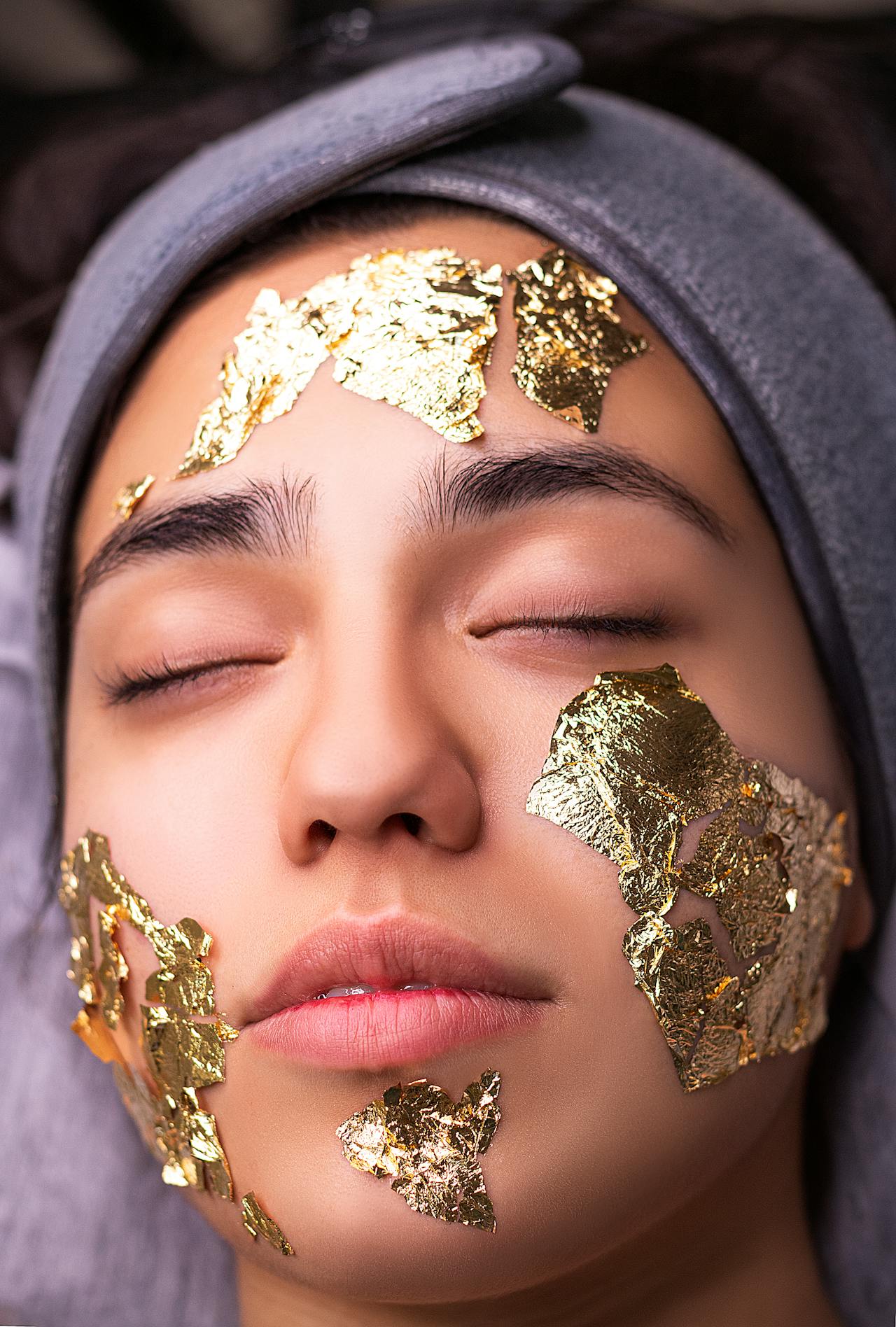
The two most-booked "glow" facials in Manhattan in 2026 are the HydraFacial and the Glass Skin Facial. Both promise dewy, light-reflective, just-stepped-out-of-a-photoshoot skin. They use completely different techniques, suit different skin types, and cost very different amounts. Here's the side-by-side breakdown for NYC, drawn from menus across The New York Facial's network of 280+ verified Manhattan, Brooklyn, and Queens skin clinics.
What is a HydraFacial?
A HydraFacial is a 30 to 60-minute multi-step facial that uses a patented vortex-fusion device to cleanse, exfoliate, extract impurities, and infuse hydrating serums simultaneously. The treatment requires zero downtime, produces an immediate visible glow, and is now offered at most premium NYC spas including SkinSpirit, Glowbar, Skin Spa New York, Heyday, and Silver Mirror. HydraFacial Inc. (NASDAQ: SKIN) reports more than 2 million treatments performed monthly worldwide as of 2026.
What is a Glass Skin Facial?
A Glass Skin Facial is a Korean-inspired multi-step protocol designed to achieve poreless, luminous, glassy skin. The protocol typically includes a thorough double cleanse, gentle enzymatic exfoliation, microcurrent or LED therapy, sheet masks, ampoule layering (often with snail mucin, niacinamide, or PDRN), and a finishing cushion of hydration. NYC studios specializing in Korean skincare — Glow by Tomoko, City Glow NYC, Tomoko Spa, Sool Spa, and several Koreatown studios on 32nd Street — lead the Glass Skin movement in Manhattan.
NYC pricing for each
HydraFacial NYC pricing in 2026:
Express HydraFacial (30 minutes): $175 to $275. Signature HydraFacial (60 minutes): $250 to $400. Platinum HydraFacial with LED, lymphatic drainage, and booster: $375 to $600. HydraFacial Diamond Glow (a competitor variant): $250 to $475.
Glass Skin Facial NYC pricing in 2026:
Standard Glass Skin protocol (75 to 90 minutes): $225 to $425. Signature Glass Skin with microcurrent, LED, and ampoule layering (90 to 120 minutes): $325 to $625. Glass Skin paired with PDRN or exosomes (premium): $450 to $850.
Manhattan and Tribeca pricing sits at the top of each range; Brooklyn, Queens, and uptown locations sit at the lower end.
What each actually delivers
HydraFacial delivers fast, reliable, immediate hydration and a measurable glow that lasts 5 to 10 days. Per HydraFacial-published clinical data, a single treatment increases skin hydration by 22% in 24 hours and reduces visible pore size by 11% over 2 weeks of weekly use.
Glass Skin Facial delivers slower-building, deeper-penetrating luminosity that compounds across a series. The first session produces visible plumping; the third or fourth session is when the "glassy" reflective quality becomes the defining outcome. Glass Skin protocols are also more customizable — your esthetician can layer ampoules specific to your concerns (acne, hyperpigmentation, dehydration, fine lines) in a way HydraFacial's standardized protocol doesn't allow.
How they differ in technique
HydraFacial relies on the patented HydroPeel tip and serum delivery system. The treatment is largely device-driven, which means consistency from one esthetician to the next is reliably high.
Glass Skin Facial is artisan and manual. Results depend significantly on the esthetician's skill in product layering, microcurrent application, and individualized ampoule selection. The variation between practitioners is wider — meaning the best Glass Skin facialists in NYC produce results that out-perform HydraFacial, while a poorly executed Glass Skin treatment may underdeliver.
Which suits your skin type?
For oily, congested, or acne-prone skin: HydraFacial wins because the extraction step is more aggressive and the salicylic acid booster targets oil and clogged pores effectively.
For dry, dehydrated, or mature skin: Glass Skin Facial wins because the deep ampoule layering with hyaluronic acid, snail mucin, and PDRN penetrates more thoroughly than HydraFacial's vortex serums.
For sensitive or rosacea-prone skin: Glass Skin Facial typically wins, because the protocol can be customized to skip exfoliation and focus on hydration. HydraFacial's vortex tip is gentle but not always tolerated by extremely reactive skin.
For combination skin: either works. Choose based on schedule (HydraFacial is faster) or budget (HydraFacial Express is the cheapest entry point).
Which suits your schedule?
HydraFacial is the schedule winner. A 30-minute Express HydraFacial fits into a Manhattan lunch break, requires zero downtime, and produces an immediate event-ready glow. Glowbar's 30-minute model has built an entire NYC chain around this proposition.
Glass Skin Facial requires 75 to 120 minutes per session and is best done as part of a 4-to-6-session protocol over 6 to 8 weeks. Plan accordingly — it's not a lunch-break treatment.
How they fit into a Manhattan beauty routine
HydraFacial pairs naturally with: an event the next day, a wedding photo shoot, a milestone birthday, or a "I just need to look refreshed" Friday afternoon.
Glass Skin Facial pairs with: a 6-week skin transformation goal, post-winter skin recovery (Manhattan winter destroys skin barrier function), or an investment in long-term luminosity that compounds over time.
Per Modern Luxury Magazine's 2026 Best of Beauty NYC list, the "quiet luxury" aesthetic — defined by luminosity, subtle movement, and a perpetually rested appearance — has driven a 47% increase in Glass Skin Facial bookings across Manhattan year-over-year. The trend is clearly toward longer, more individualized treatments.
Where to book each in Manhattan
For HydraFacial in NYC: Glowbar (multiple locations), Heyday, Silver Mirror Facial Bar (Tribeca, Flatiron, Upper East Side), SkinSpirit (Madison Avenue, Brooklyn), and Skin Spa New York (multiple locations).
For Glass Skin Facial in NYC: Glow by Tomoko, Tomoko Spa, City Glow NYC (East Village), Sool Spa (Koreatown), Faceology, and Mahash Beauty (Brooklyn).
Real downtime and aftercare
HydraFacial: zero downtime. You can wear makeup immediately. Avoid retinoids and acids for 24 hours. Apply SPF 30+ for 48 hours.
Glass Skin Facial: minor flushing for 1 to 2 hours, then nothing. You can wear makeup the next day. Continue gentle cleansing only for 48 hours, then resume normal routine. Avoid retinoids for 5 days post-treatment.
For both: SPF 30+ daily, ideally a Korean-style cushion or mineral formula like Beauty of Joseon Relief Sun, EltaMD UV Clear, or ISDIN Eryfotona Actinica.
Annual cost math
A monthly Express HydraFacial at $200 = $2,400/year. Two Signature HydraFacials per quarter at $325 = $2,600/year. A Glass Skin protocol of 4 sessions at $375 every 8 weeks (6 sessions/year) = $2,250/year. Add maintenance Express HydraFacials between Glass Skin sessions: ~$3,500/year for a hybrid program.
What to ask before booking
Five questions matter most. First — which esthetician will I see, and what are their credentials? Second — for HydraFacial, which tier (Express, Signature, Platinum) and which boosters? Third — for Glass Skin, what ampoules will be used, and can the protocol be customized for my skin concern? Fourth — what's the cancellation policy (most NYC clinics require 24 hours and charge 50% to 100% of the treatment)? Fifth — what at-home routine should I follow to extend results?
Finding the right NYC esthetician
Use The New York Facial to filter for licensed New York estheticians (the state requires a Master Esthetician license for advanced treatments). Look for additional credentials: CIDESCO, NCEA Certified, Korean Beauty Specialist (KBS), or training certificates from Mahash, Sool, or Glow by Tomoko for Glass Skin specialists. The bar for a quality 2026 NYC facialist is at least 50 reviews averaging 4.7 stars and a portfolio of before-and-after photos at the 4-week mark.
Final thoughts
HydraFacial wins for speed, schedule, oily/acne-prone skin, and immediate event-ready glow. Glass Skin Facial wins for customization, dry/sensitive/mature skin, and compounding long-term luminosity. NYC's best-reviewed estheticians often offer both — many of our 280+ network clinics will recommend the right protocol after a free 15-minute consultation. Pick the format that fits your skin type and your calendar. Then commit to a series. The "glow" both treatments are selling is the result of consistency, not a single appointment.
Explore More Beauty & Wellness Resources
Looking beyond NYC beauty & facials? These trusted directories can help you find related services:
Frequently asked questions
What is the difference between a HydraFacial and a Glass Skin Facial?
How much does a HydraFacial cost in NYC in 2026?
How much does a Glass Skin Facial cost in NYC?
Which is better for acne-prone skin in NYC?
Which is better for dry or mature skin?
Where can I get a HydraFacial in Manhattan?
Where can I get a Glass Skin Facial in NYC?
How often should I get a HydraFacial?
What is the right downtime for a Glass Skin Facial?
Which credentials should my NYC facialist have?
Need a provider in Nyc?
Browse our directory and book directly with local businesses.
Browse the directoryRelated articles
Best Spring Facials in NYC: Treatments to Repair Winter-Stressed Skin
NYC winter wrecks skin barriers — heated apartments, subway air, dry cold. Here are the spring facial treatments New York estheticians use to rebuild barrier, fade dark spots, and prep skin for summer UV.
NYC Allergy-Season Calming Facials: Best Treatments for Pollen-Sensitive Skin
Pollen-flared skin in NYC responds best to barrier-repair facials priced $145 to $325 across Manhattan, Brooklyn, and Queens. Here is the licensed-esthetician playbook for tree, grass, and mold-spore season — what to book, what to skip, and the same-day soothing plan that actually works.