How to Choose a Facial Treatment: Key Considerations
Selecting the right facial treatment involves evaluating your skincare needs and researching treatment options.
Understanding Facial Treatments
Facial treatments are designed to address various skin concerns and improve the skin's overall appearance. When you decide to choose a facial treatment, understanding the different types available is crucial.
Facials can range from basic cleansing sessions to advanced medical-grade treatments. For instance, a chemical peel might employ the use of alpha hydroxy acids (AHAs) or beta hydroxy acids (BHAs) to exfoliate the top layers of skin, revealing fresh and rejuvenated skin underneath. This type of treatment is particularly suited for tackling issues like hyperpigmentation and acne scars. According to dermatological studies, undergoing a series of chemical peels can improve skin texture and tone by as much as 40% over time [1].
On the other hand, a hydrating facial focuses on replenishing moisture - ideal for those with dry, flaky skin. These treatments typically include rich moisturizers containing hyaluronic acid, a substance capable of holding up to 1,000 times its weight in water [2]. Hydrating facials benefit not only dry skin but can also provide plumpness and smoothness for other skin types.
How to Choose Facial Treatment
When figuring out how to choose facial treatment options, several factors must be considered. Begin with your skin type. Oily skin benefits from facials that involve deep cleansing and exfoliation to remove excess oil and reduce pore size. For sensitive skin, opt for treatments that utilize gentle products and techniques to avoid irritation.
Your specific skin goals will also guide your decision. If anti-aging is a concern, treatments that incorporate products like retinol or procedures such as microdermabrasion might be suitable. Microdermabrasion, for example, targets fine lines and promotes collagen production, improving skin elasticity and appearance.
Budget is another crucial aspect. Facials range widely in cost, making it imperative to select ones that offer the best balance between effectiveness and affordability. Additionally, when selecting a provider, check their credentials with the state cosmetology board to ensure they are properly licensed and trained.
Cost Considerations
The cost of facial treatments varies significantly depending on the type and complexity of the procedure. Here's a deeper look at different facial treatments:
Option | Typical price range | Sessions needed | Longevity | Best for
--- | --- | --- | --- | ---
Basic Facial | $50-$75 | 1 | 1 week | General maintenance, minimal skincare needs
Chemical Peel | $100-$300 | 3-6 | 3 months | Treating discoloration, acne scars
Microdermabrasion | $70-$200 | 4-8 | 1 month | Reducing fine lines, improving texture
HydraFacial | $150-$300 | 1 | 1 week | Tailored solutions for varying skin issues
Acne Facial | $75-$150 | 1-3 | 2 weeks | Targeting acne and oiliness
LED Light Therapy | $50-$100 | 4-10 | Varies | Acne reduction, anti-aging
Microdermabrasion typically requires more frequent sessions but can effectively remove dead skin cells, enhance product absorption, and give a lasting glow. Meanwhile, advanced procedures like HydraFacials might combine exfoliation and hydration, providing instant results that last several days.
Comparing Treatment Safety
Safety should be the foremost priority when selecting facial treatments. Safety considerations include the knowledge and skill of the practitioner and the clinic's adherence to industry regulations, such as those set by the FDA.
For instance, treatments like dermalinfusion require skilled application to avoid adverse effects like skin irritation or damage. This process infuses the skin with vitamins and antioxidants after exfoliating, offering a deep clean. Choosing a provider that follows stringent safety protocols ensures that such treatments are not only effective but also safe [3].
Understanding Potential Benefits
The benefits of a facial go beyond just a brief period of bright skin. Regular facials can profoundly benefit skin over time — researchers find improved skin health and resistance to aging with regular care routines.
Products like SkinCeuticals are popular in many facials due to their evidence-based benefits in improving skin's texture and tone through potent antioxidants. Some providers might even offer injectables like Botox or dermal fillers as an adjunct to traditional facials for more holistic skin rejuvenation. These treatments can significantly reduce the appearance of fine lines and wrinkles by as much as 80% within just a few sessions.
Choosing the Right Provider
Research is vital when selecting a facial treatment provider. Reviews from past clients can provide insight into the quality of services offered. Membership in professional associations like the American Society for Dermatologic Surgery (ASDS) is an indication of a provider's commitment to professionalism and continuing education.
Avoid choosing facilities that do not provide clear information about their practitioners' qualifications or those that lack basic hygiene and safety standards. A reputable provider should be transparent about their services, prices, and practitioner expertise.
What to Expect During Treatment
Before beginning a facial, you will typically have a consultation where your esthetician assesses the condition of your skin and discusses any specific concerns you may have.
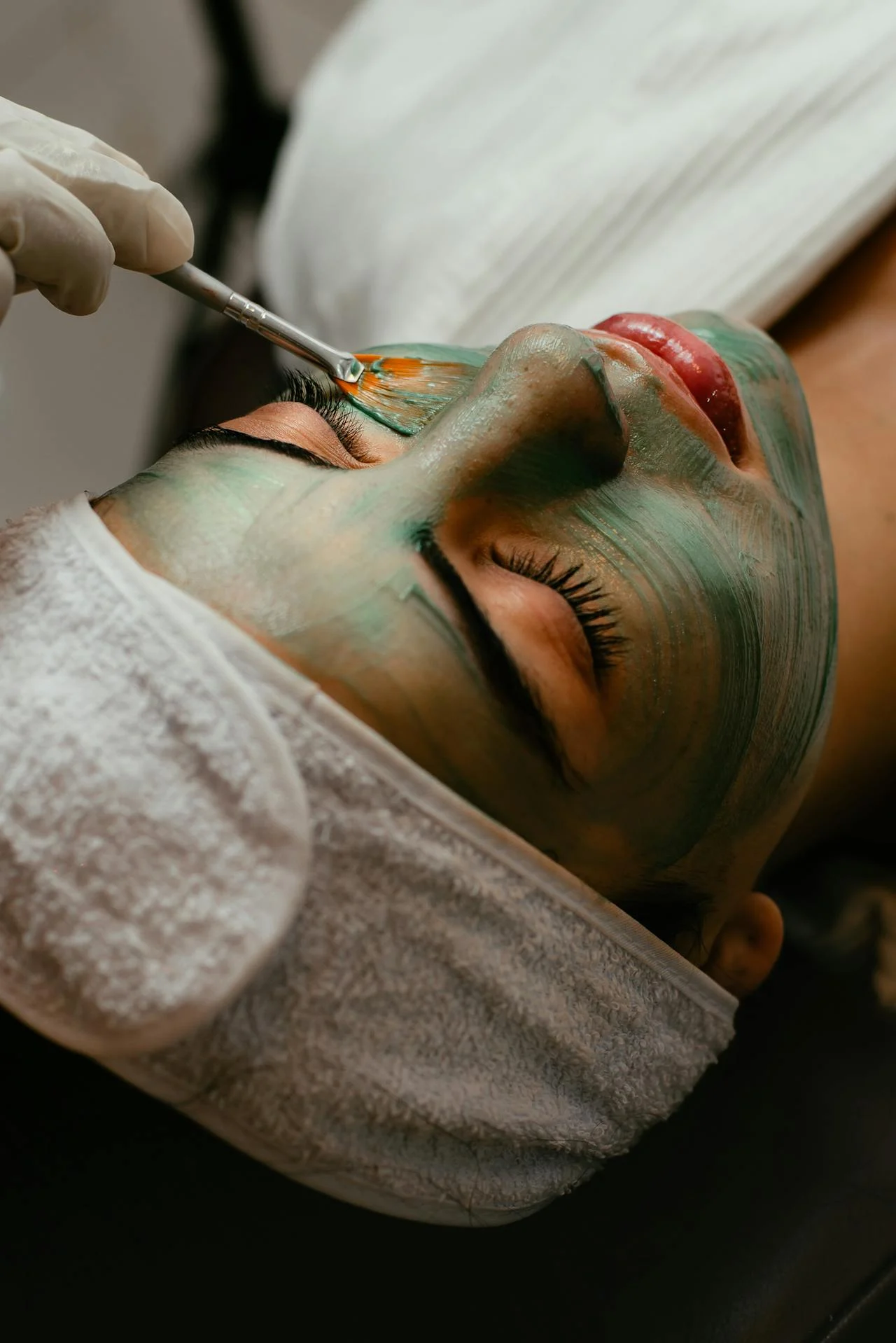
The facial itself might include stages such as cleansing, steaming to open pores, extraction of blackheads or pimples, and the application of tailored serums and masks. Most treatments take between 30 and 90 minutes, although more intensive procedures might take longer. Open communication with your esthetician ensures you receive a treatment that precisely addresses your skin's needs.
Post-Treatment Care
Post-treatment care is crucial for maintaining and enhancing the results of your facial. After a chemical peel, for example, the newly unveiled skin will be more sensitive and prone to sun damage, necessitating the rigorous use of sunscreen with at least SPF 30. Avoid direct sun exposure and use a light moisturizer to soothe the skin.
Hydrating facials benefit from continued use of moisturizers and hydrators like hyaluronic acid to bolster results. By adhering to these aftercare routines, not only do you preserve the benefits of the facial, but you also protect your skin from potential damage or irritation.
---
How we sourced this: This information is grounded in data from the AAD, product guidelines from SkinCeuticals, and safety standards from the FDA. For more, consult professional associations like the ASDS.
Sources & references
Frequently asked questions
What should I consider when choosing a facial treatment?
How often should I get a facial treatment?
What is the cost of a basic facial?
Are facial treatments safe for sensitive skin?
What is the difference between microdermabrasion and chemical peels?
How long do facial treatment results last?
Need a provider in your area?
Browse our directory and book directly with local businesses.
Browse the directoryRelated articles
How to Choose a Facial Treatment: Expert Tips
Discover practical tips for selecting the best facial treatments suited to your unique skin needs to achieve optimal results.
How to Choose the Right Facial for Your Skin in NYC
With hundreds of facial options across New York City, picking the right treatment for your specific skin type and concerns can feel overwhelming. This guide helps you match your skin's needs with the perfect NYC facial.